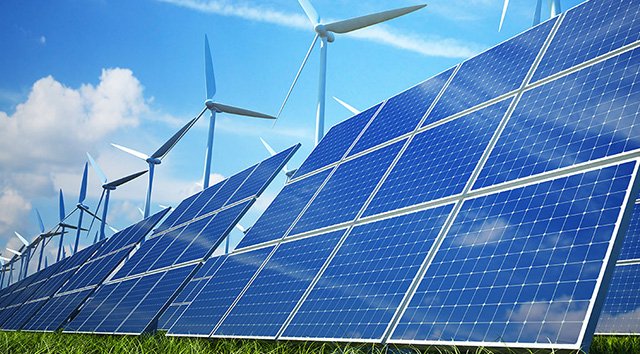
Renewable energy (Solar, Wind, Biogas, Small Hydro, Geothermal etc.) has become more prominent nowadays due to availability, applicability, acceptability, and affordability of the technologies. The depletion of fossil fuels and the adverse effects we have caused on nature by burning such fuels urges us to focus our attention on utilisation of renewable sources. All major business giants are diversifying their investment into renewable energy for reducing the impact on the environment created by carbon and other environmental pollution caused by the fossil fuel-driven economy. By promoting renewable energies, VES supports its customers in meeting international and national targets set by the Kyoto Protocol (UNFCCC, 2005) and by the Paris Agreement (UNFCCC, 2015) to reduce emission of greenhouse gases and mitigate climate change. Indian National Solar Mission ( National Action Plan on Climate Change) of INDIA started a mission to supply ample power Supply with a target of 100GW upto 2022. The total installed capacity as of 2019 is 360.45GW out of which 82.589 GW is renewable (22%) [central electricity norms 13/09/2019]. If enhanced to 100GW as per NAPCC, it becomes 27.78%. The estimated penetration of Renewable Energy Sources (RES) to the pool is to the tune of 27.78%.